Address
304 North Cardinal
St. Dorchester Center, MA 02124
Work Hours
Monday to Friday: 7AM - 7PM
Weekend: 10AM - 5PM
Address
304 North Cardinal
St. Dorchester Center, MA 02124
Work Hours
Monday to Friday: 7AM - 7PM
Weekend: 10AM - 5PM

Snap-in junction boxes and trims cut rough-in time roughly in half.
IC-rated, airtight, and wet-location options built in — no add-on kits needed.
A single housing line fits multiple trims and beam spreads, no return trip required.
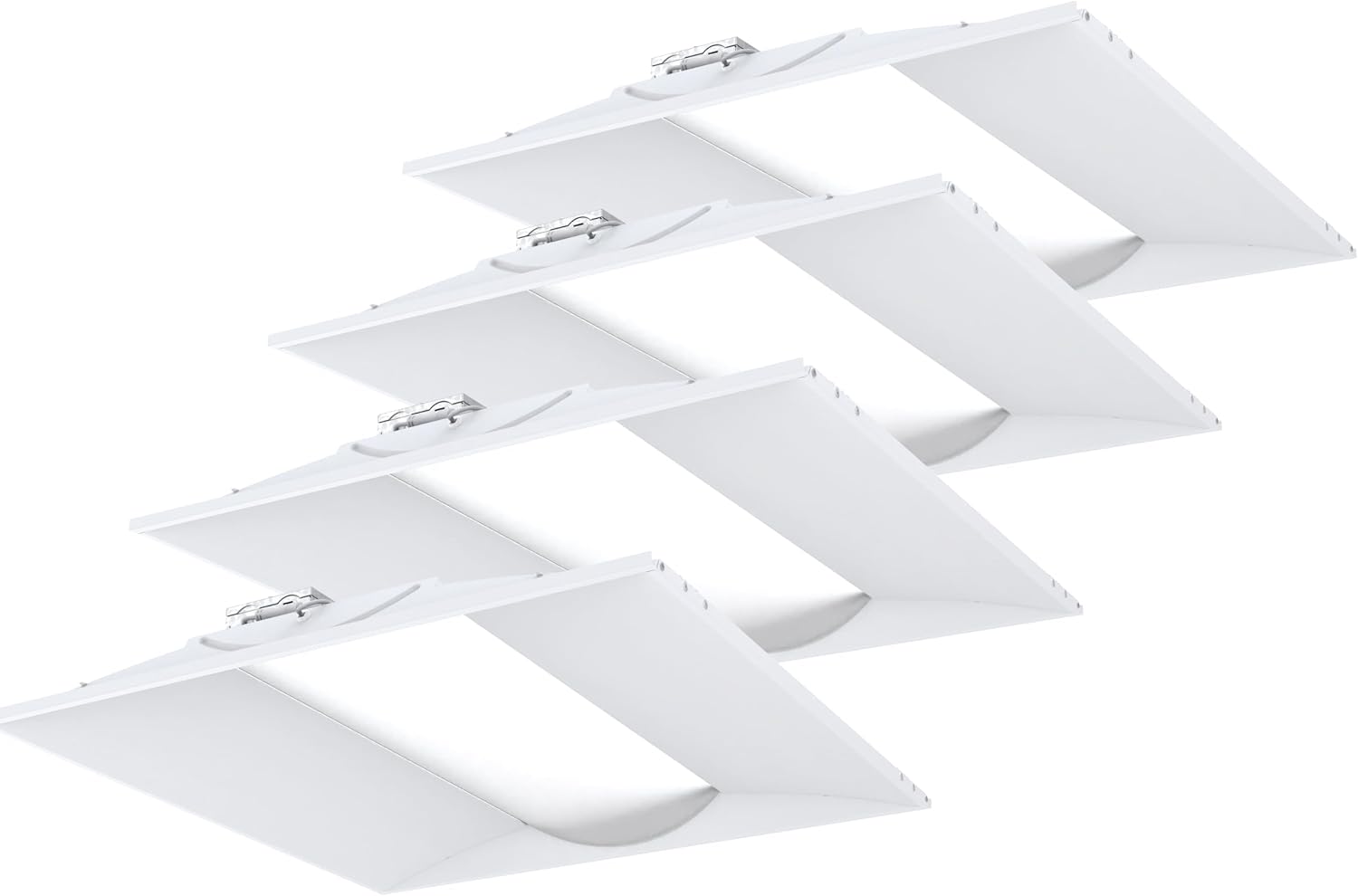
The wide center basket and curved matte reflector provide even, high-quality illumination throughout the space.
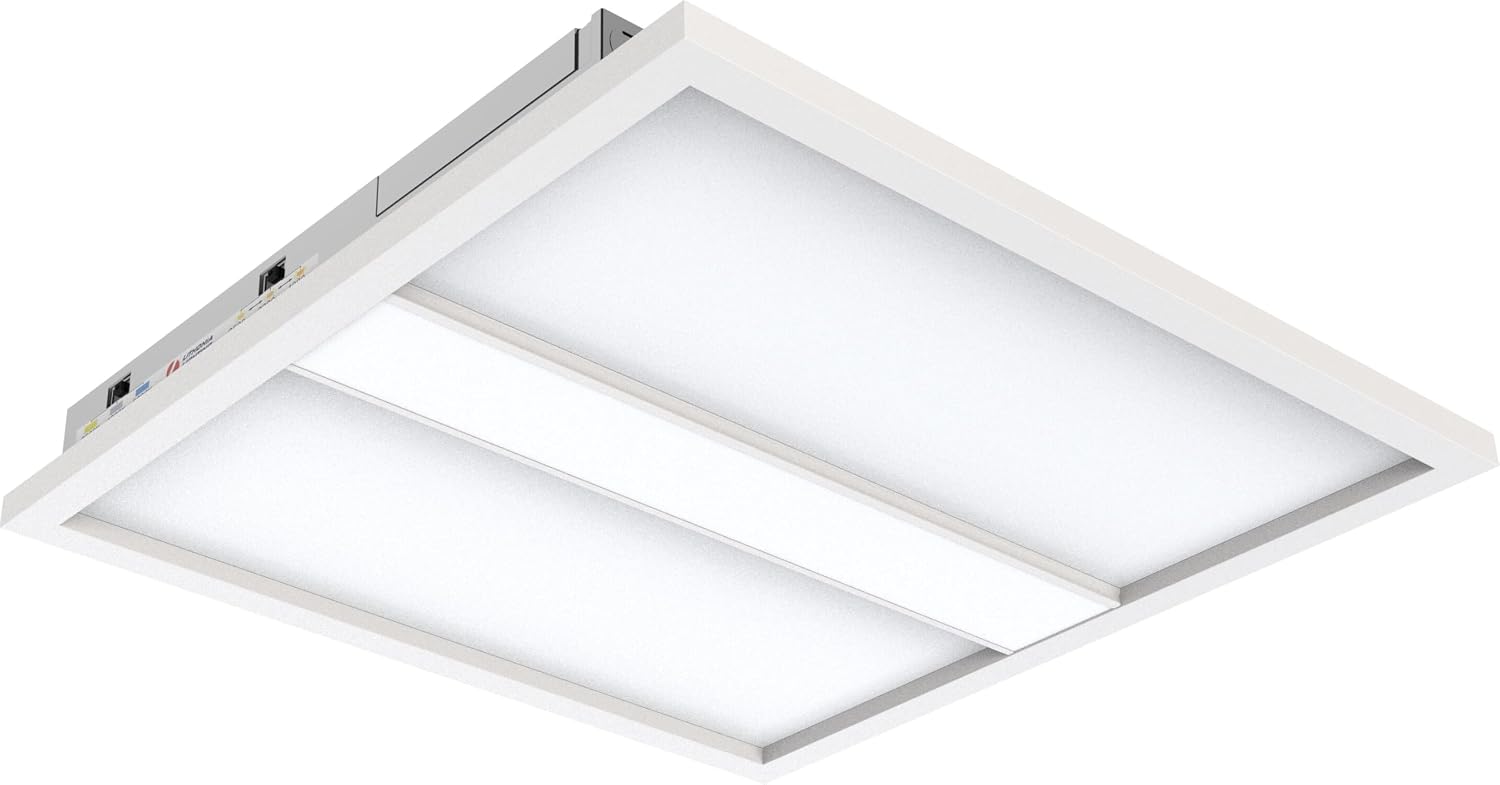
The CPX3P combines a modern LED flat-panel design with a unique three-panel configuration.
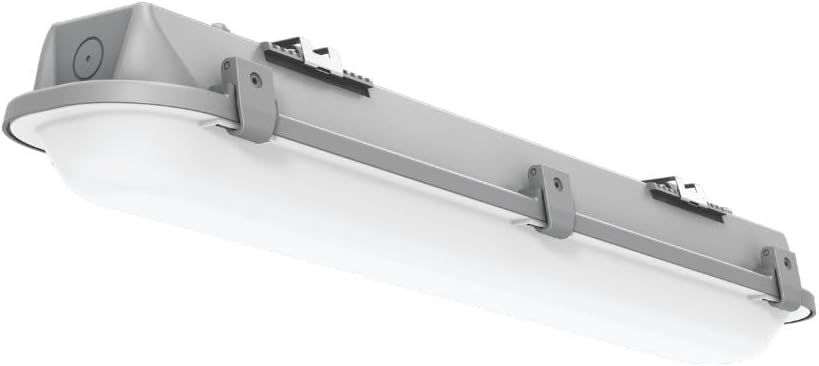
Designed for continuous row mounting on ceilings or walls with included stainless steel brackets.
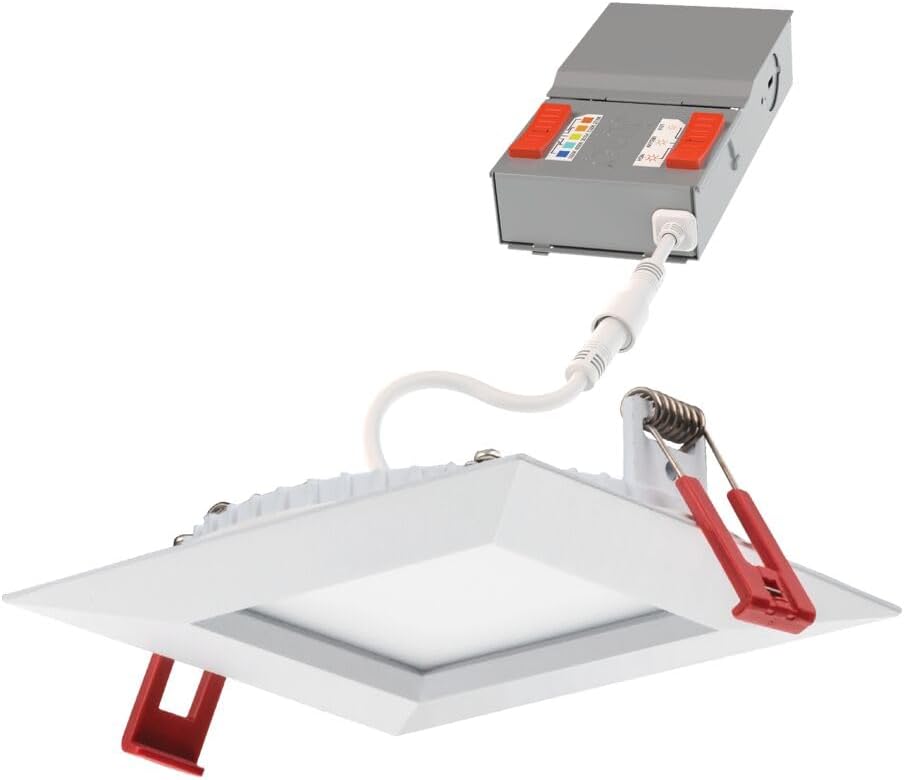
Wafer LED Downlights offer easy color adjustment with a built-in switch and require no recessed housing.
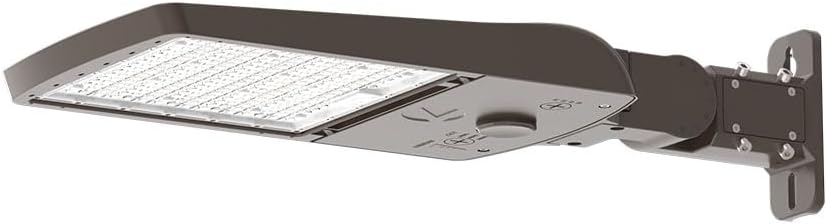
The Lithonia Lighting EAX provides a complete area lighting solution designed to replace HID area lights.
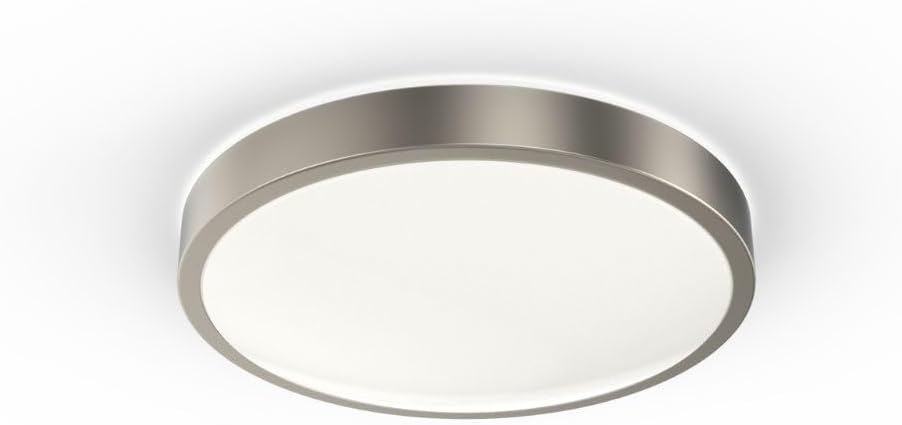
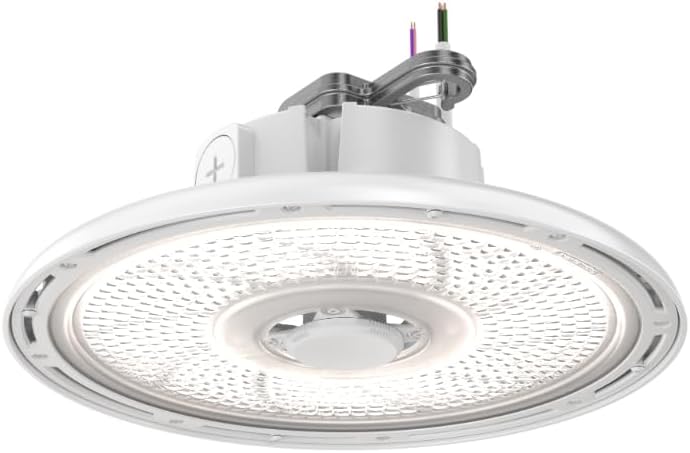
The sleek round silhouette and matte white acrylic lens complement contemporary interiors.
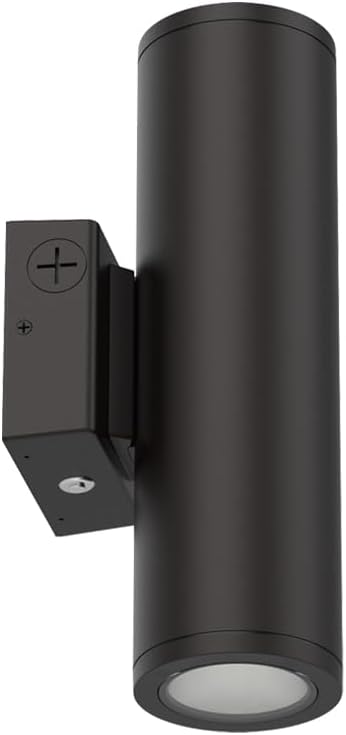
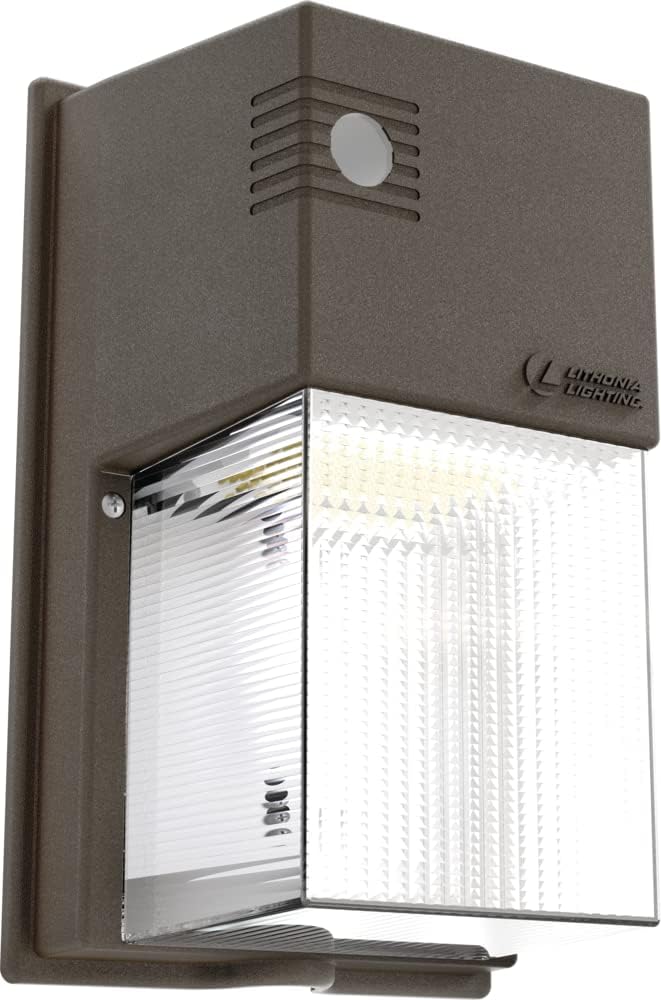
Crafted from cast aluminum with a corrosion-resistant dark bronze finish, this fixture is built to withstand harsh conditions.
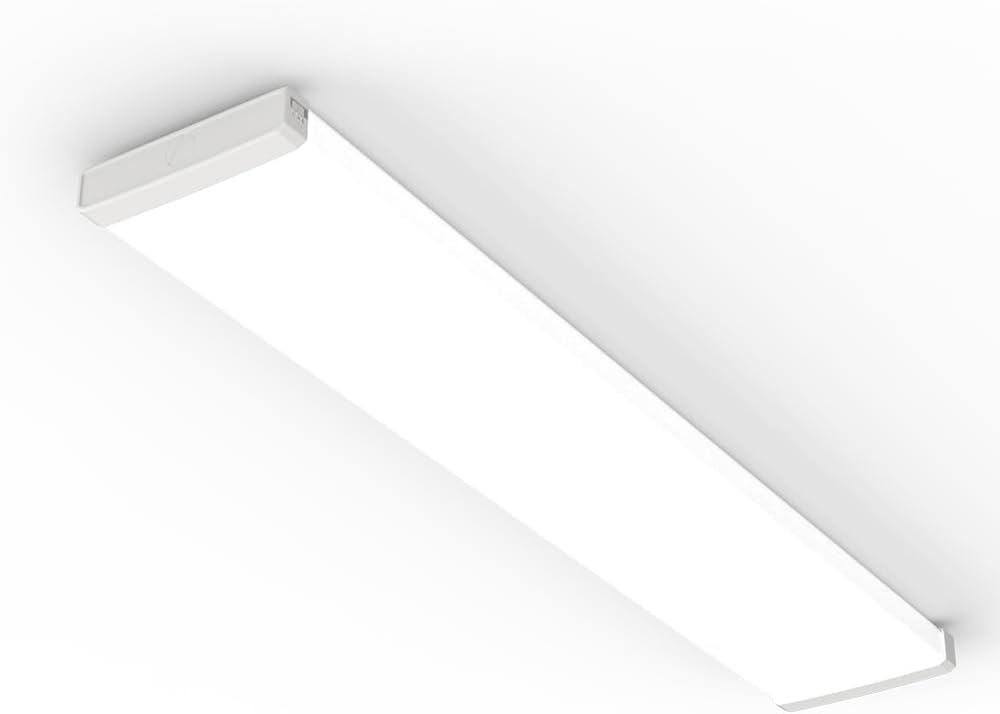
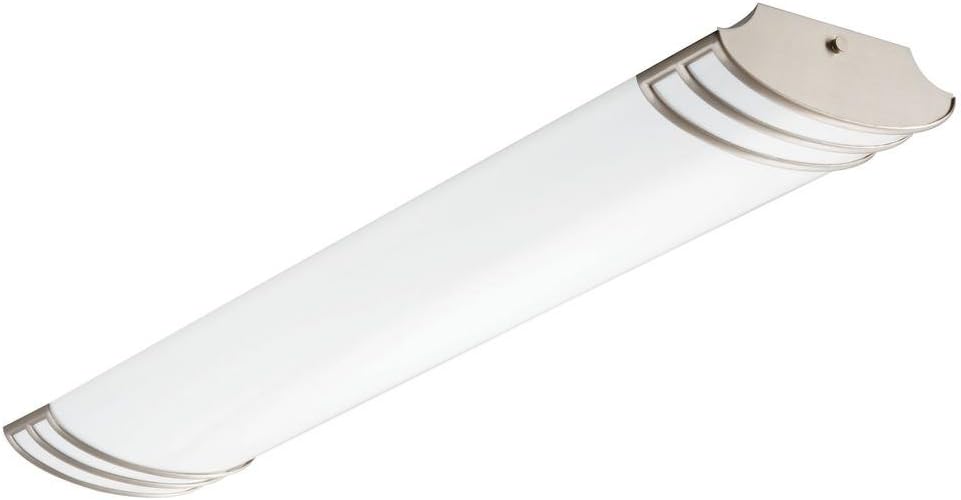
The Lithonia Lighting TruWrap combines a contemporary design with a high-quality LED lighting solution.
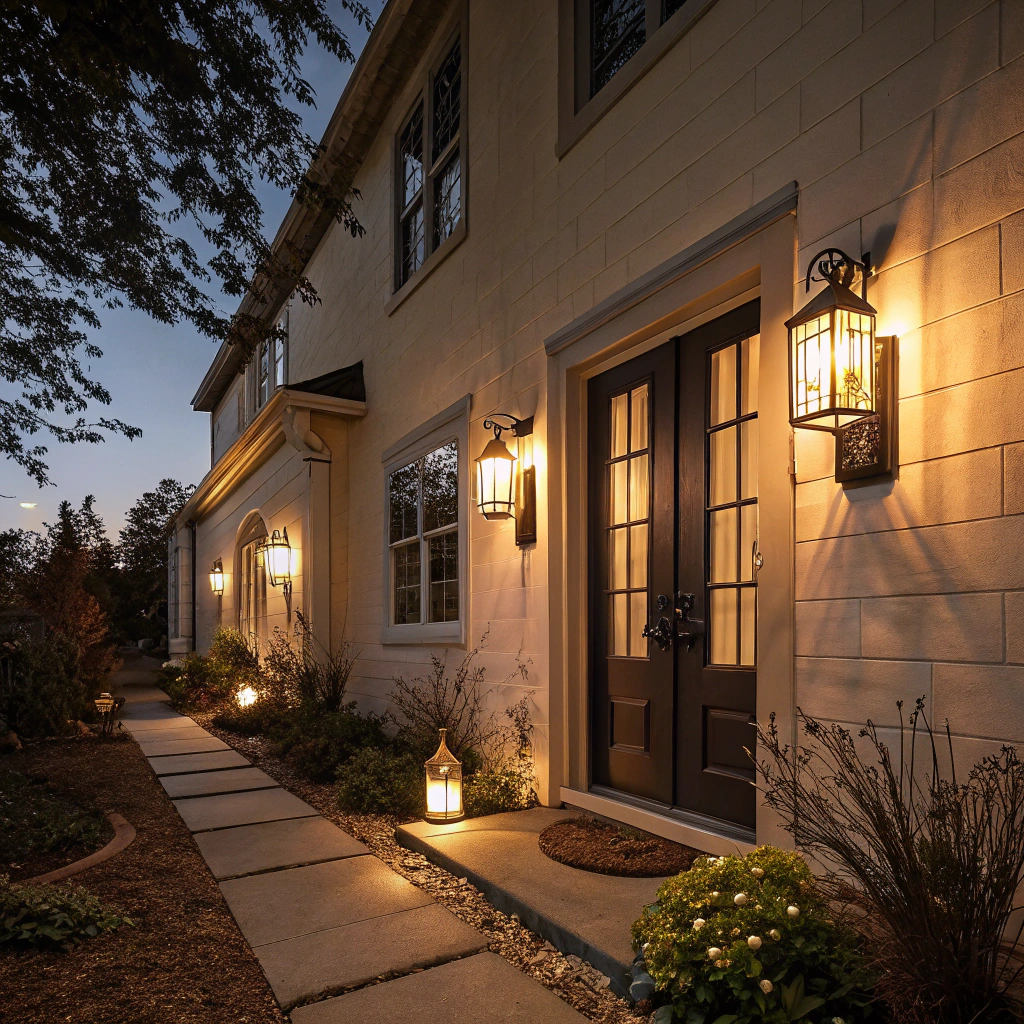
Juno makes lighting for the rooms you actually live in — not showroom lighting, not portfolio lighting, but the lamp you reach for at 11pm and the fixture that has to work for movie night, homework, and an it’s-been-a-long-day dinner. The name comes from the goddess who kept watch over the household — marriage, the threshold, the hearth — because that’s still the job we think a light should do: not decorate a room so much as look out for the people in it. Most lighting gets designed around how well it photographs. We started by asking what a room needs to feel like at 6am versus 11pm, and built backward from there.
That turned into a stubborn habit of testing everything in real houses instead of studios. A fixture that reads warm and flattering in a lookbook can still wash a kitchen out at dinnertime, or throw a shadow right where you’re trying to read. So we live with prototypes for weeks, moving them room to room, watching what happens once the sun goes down and someone’s hunting for a sock under the bed. Color temperature isn’t a spec on a sheet to us — it’s whether your evening still feels like an evening once the light comes on. We’ve scrapped fixtures that tested beautifully in a lab and did the wrong thing the moment they hit an actual living room, because the lab was never the one who had to live with it.
If you’ve ever bought a light that looked perfect in the box and wrong the second you turned it on, you already know why we obsess over this. We’re building for people who notice when a room feels off before they can say why — usually it’s the light — and who’d rather get it right the first time than keep swapping bulbs trying to fix a fixture that was never going to work. Juno’s there for the ordinary hours, the ones that don’t get photographed. Those are the ones that matter most.
“The pendant over our island finally makes the kitchen feel finished. It’s warm enough for dinner but bright enough that I can still see what I’m chopping.”
“Three brightness settings sounds like a small thing until you’re nursing a baby at 2am and don’t want to flip on a spotlight. This lamp gets it.”
“Paired it with the app and now the living room dims itself around 9pm without me touching anything. My partner thought I’d hired an electrician.”
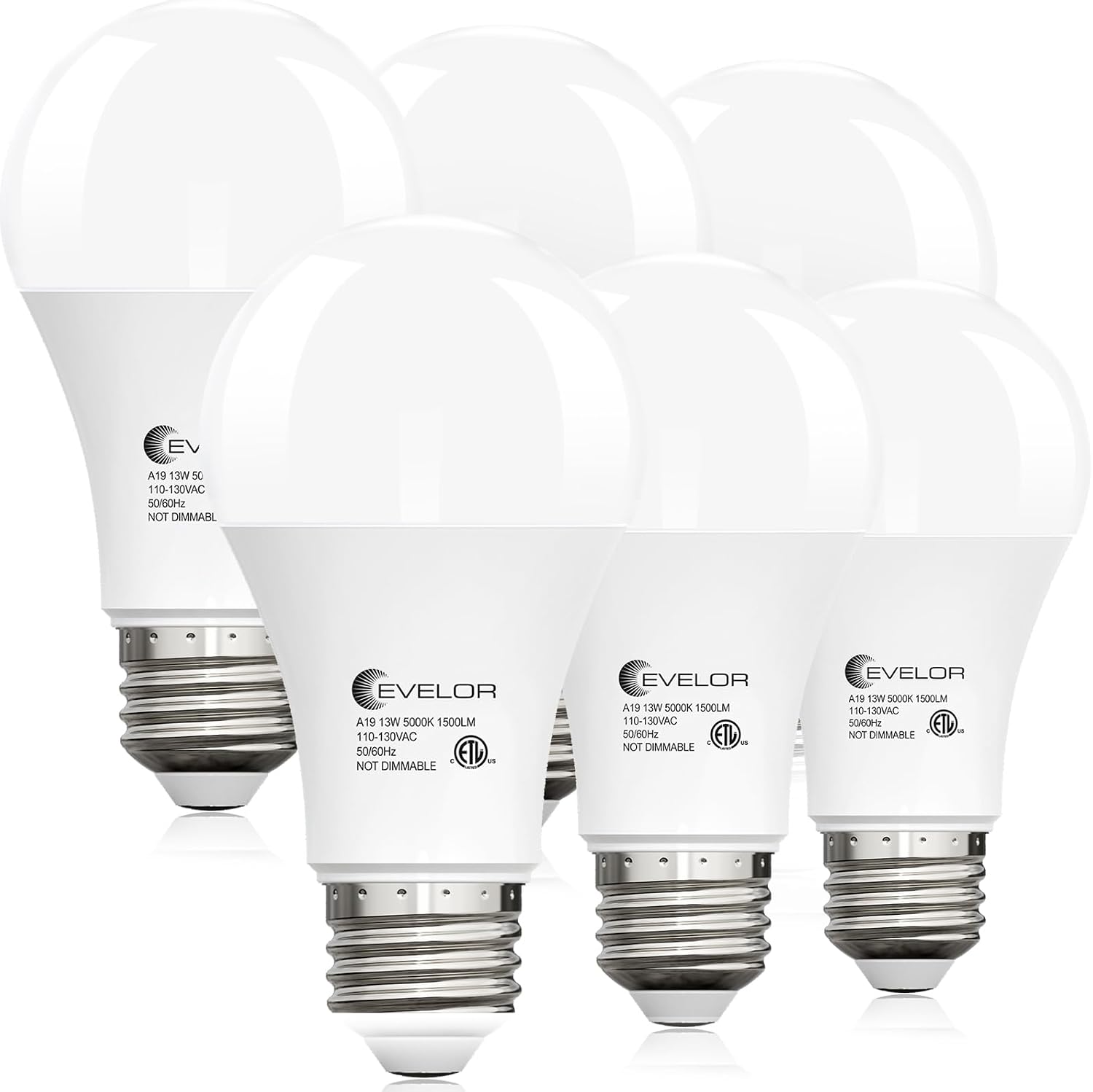
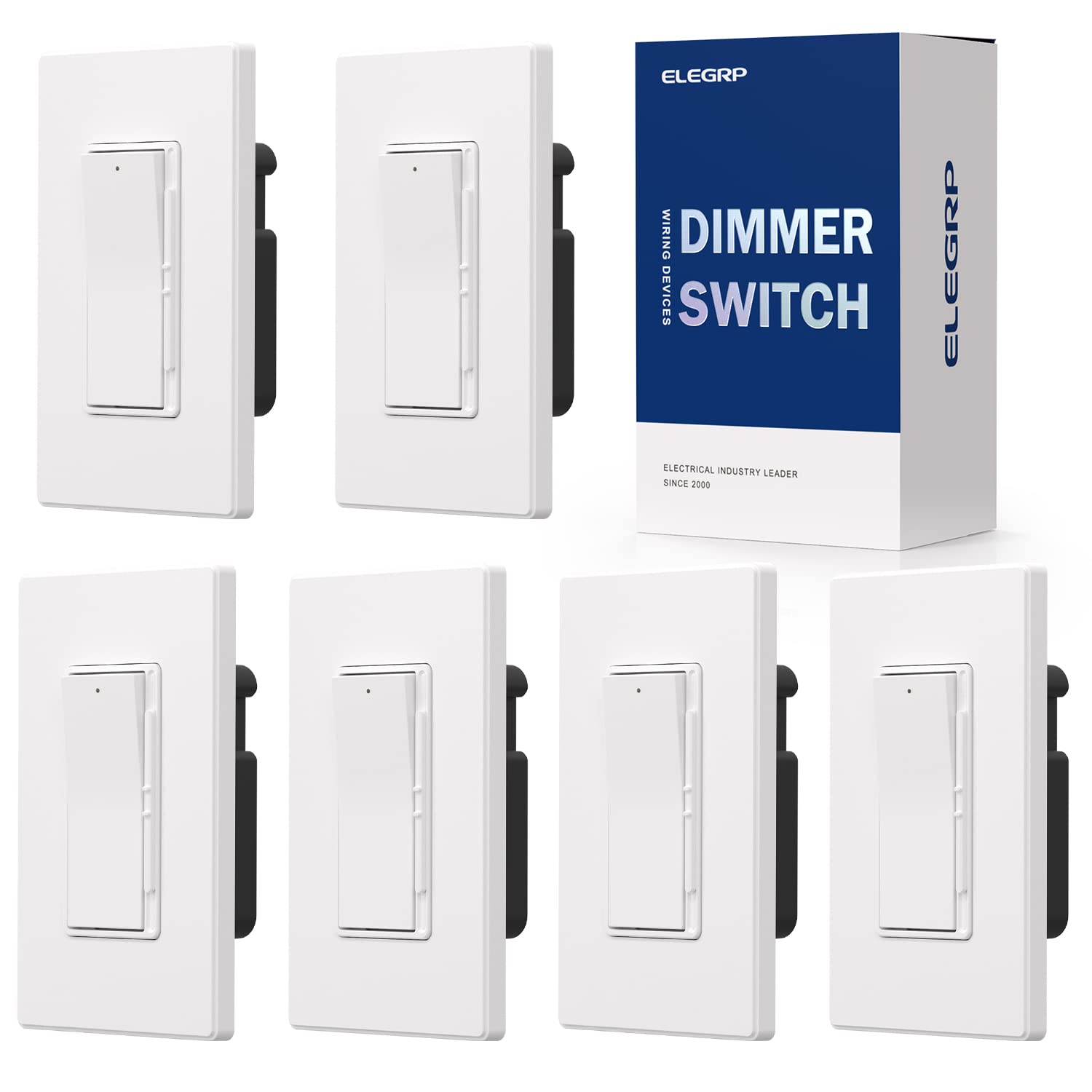
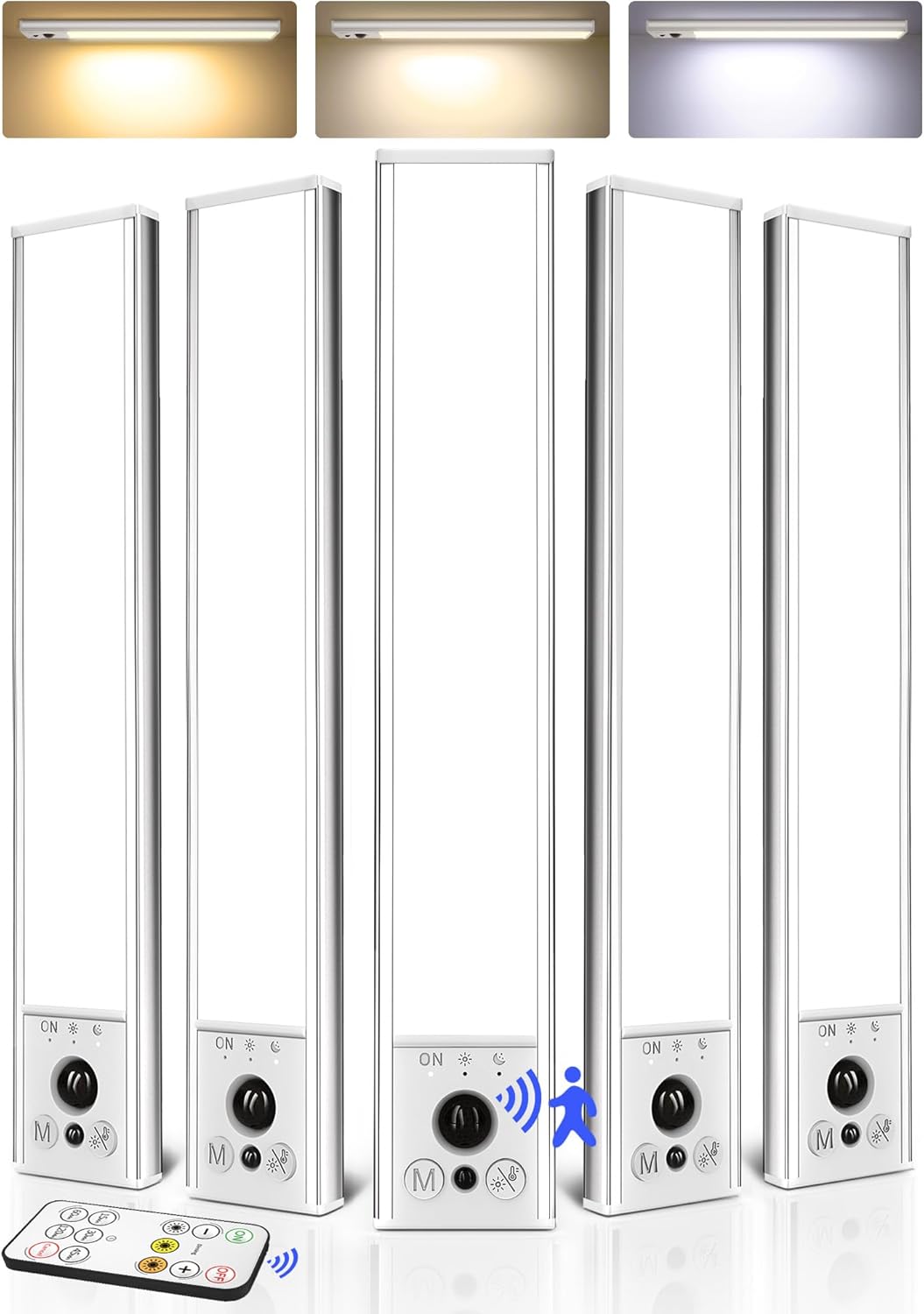
Compatibility depends on the dimmer type installed in the wall, since not every dimmer is built for the same load range. Trailing-edge and LED-rated dimmers tend to work smoothly, while older rotary or incandescent-only models can cause flickering or a limited dimming range. Checking the dimmer’s specifications against what’s listed on the product page before installing helps avoid that issue.
The maximum wattage and base type are listed on the packaging and the product page, and staying within that limit matters for both performance and safety. Going over the rated wattage can shorten the life of the fixture or trip a breaker, so matching the bulb to the spec sheet is worth double-checking before screwing one in.
A soft, dry cloth handles dust on most surfaces, and a slightly damp cloth with mild soap can lift heavier grime as long as the power is switched off and the fixture has cooled first. Abrasive pads, ammonia-based cleaners, and excess water are best avoided, since they can dull metal finishes or damage glass shades over time.
Most fixtures are designed for a standard mounting bracket and junction box, so a basic setup can usually be handled with a screwdriver and a few minutes of time. Anything involving new wiring, a ceiling with no existing box, or an unfamiliar electrical panel is better left to a licensed electrician.
That depends on the IP rating listed for the specific model. A rating of IP44 or higher generally handles splashes and humidity, which covers most bathroom uses, while anything left fully exposed to rain or direct weather needs a rating built for outdoor or wet locations. Using a fixture outside its rated environment can void coverage and create a safety risk.
Photos of the issue along with the order number, sent to the seller soon after noticing the problem, are usually the fastest way to start a replacement or repair. Manufacturing defects are typically covered under the warranty period, while damage from a fall, incorrect wiring, or exceeding the rated wattage generally isn’t.